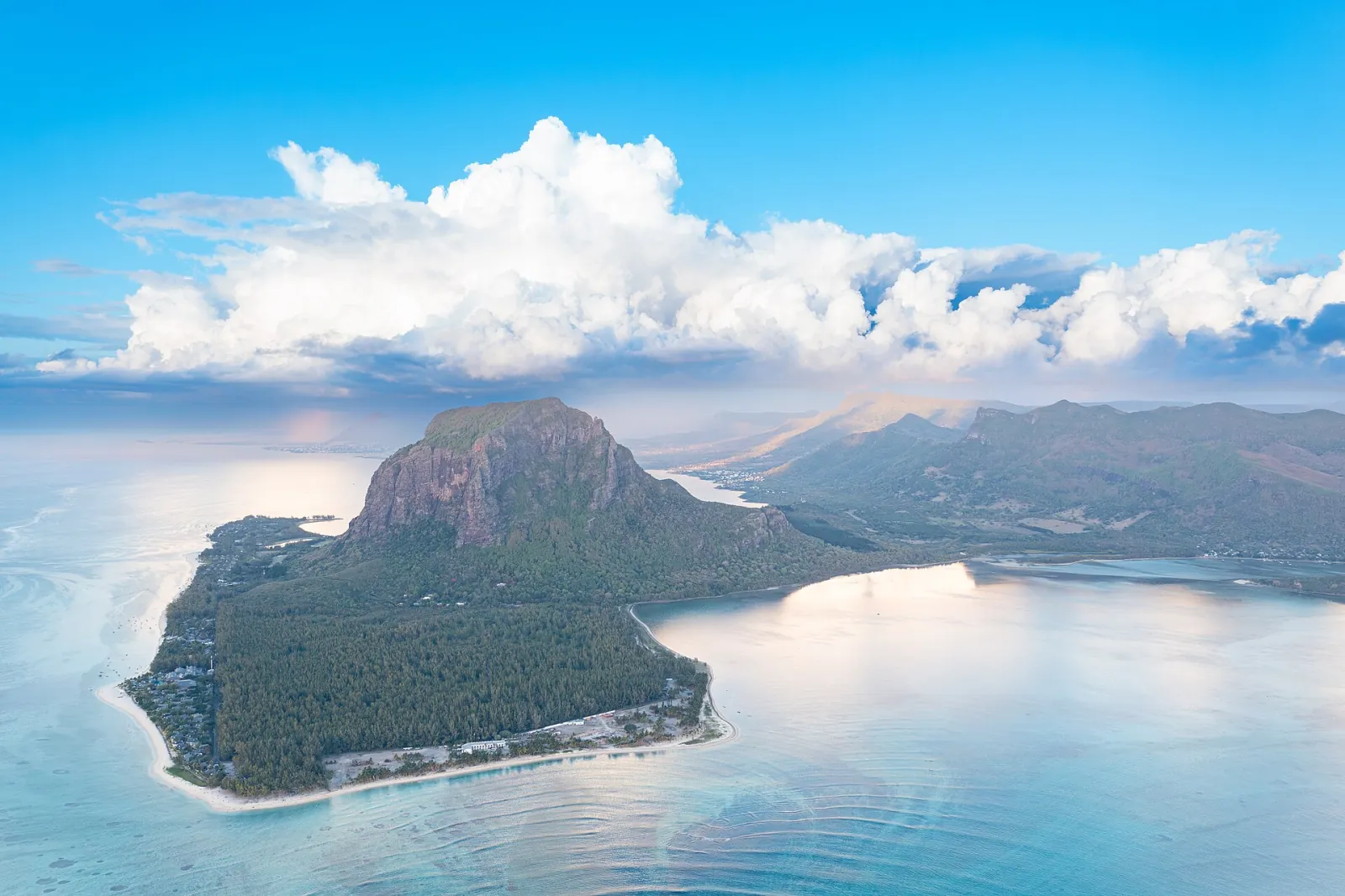
Mauritius
A standout retirement base. Ranked 5 of 55, strongest on affordability, softest on climate.
- Healthcare 78
- Retiree visa 72
- Affordability 95
- Safety 76
- Climate 70
- Expat community 78
- Retirement visaYesRetired Non-Citizen Residence Permitpassport.govmu.org
- Min incomeMediumresidency.mu
- Monthly budget~$1,200-1,900/monumbeo.com
- HealthcareGoodexpatfinancial.com
- SafetySafeecofinagency.com
- Top citiesGrand Baie, Tamarin, Port Louis
Good to know
- Good healthcare accessTwo-tier system: free public hospitals for residents (but expats are usually billed, with older equipment and longer waits) plus high-quality private clinics; some advanced care requires travel to South Africa or Reunion.expatfinancial.com
- Dedicated retirement visaRetired Non-Citizen Residence Permitresidency.mu
- Low cost of livingComfortable single-retiree budget roughly US$1,200-1,900; single-person costs excluding rent are about Rs26,700 (~US$580).numbeo.com
- Safe for retireesRanked the most peaceful country in Africa and 26th of 163 globally on the 2025 Global Peace Index, with a score of 1.586.ecofinagency.com
- Comfortable climateTropical maritime climate: a warm humid summer (Nov-Apr, mean ~24.7C) and a cooler dry winter (Jun-Sep, mean ~20.4C); occasional tropical cyclones between January and March.en.wikipedia.org
- Established expat communityWell-established, growing expat and retiree community concentrated in the north (Grand Baie) and west (Tamarin); the English/French bilingual environment makes it easy for English-speaking retirees.propertymauritius.com
Watch out for
No cautions from the verified data.
Visa & residency
Applicant aged 50+ must show a guaranteed minimum income of USD 2,000 per month, or transfer at least USD 24,000 per year into a Mauritian bank account.
Residence permit is valid for 10 years and renewable; the qualifying funds must be transferred into a Mauritian bank account, with the income proven via certified bank statements.
Healthcare
Two-tier system: free public hospitals for residents (but expats are usually billed, with older equipment and longer waits) plus high-quality private clinics; some advanced care requires travel to South Africa or Reunion.
Foreign residents cannot rely on free public care and should carry comprehensive private or international health cover, as private treatment is expensive.
Cost of living
Comfortable single-retiree budget roughly US$1,200-1,900; single-person costs excluding rent are about Rs26,700 (~US$580).
In Port Louis, the capital, a one-bed city-centre apartment is about Rs22,600 per month (roughly US$490).
Safety
Ranked the most peaceful country in Africa and 26th of 163 globally on the 2025 Global Peace Index, with a score of 1.586.
Climate
Tropical maritime climate: a warm humid summer (Nov-Apr, mean ~24.7C) and a cooler dry winter (Jun-Sep, mean ~20.4C); occasional tropical cyclones between January and March.
Community & language
Well-established, growing expat and retiree community concentrated in the north (Grand Baie) and west (Tamarin); the English/French bilingual environment makes it easy for English-speaking retirees.
Mauritian Creole is most spoken at home; English and French are the de facto official languages, with English used in government and administration.
Taxes
Residents are taxed on worldwide income, but foreign income (including pensions) is taxable only to the extent remitted to Mauritius; progressive rates of 0/10/20%. Because the retirement permit requires transferring funds into a local bank, remitted pension income can fall into the tax net.
Has a double-tax treaty with the UK, but not with the US, Netherlands, Canada or Australia.
Moving & migration
You can contact any local bank in Mauritius to check eligibility for opening an account. Each bank has its own specific rules and regulations. Major banks include Mauritius Commercial Bank (MCB), State Bank of Mauritius (SBM), and Absa Bank Mauritius. For retirees on the Retired Non-Citizen Residence Permit, the qualifying income (USD 2,000/month) must be transferred into a Mauritian bank account, so opening a local account is a requirement of the permit itself.
Mauritius does not have a reciprocal health agreement with the UK. Foreign nationals can attend public hospitals but are expected to pay for treatment. Public hospitals are of a reasonable standard but may not be equipped for serious illnesses. Private hospitals such as C-Care Darne, Welkin, Grand Baie and Tamarin are favoured by foreign nationals and have better equipment and facilities. Comprehensive health insurance is essential as some procedures are unavailable on the island and medical evacuation may be necessary.
Non-Mauritians can drive in Mauritius. You should carry your driving licence at all times when driving. Foreign nationals can drive with their valid home country licence for a limited period. After becoming a resident, you may need to apply for a Mauritian driving licence through the Mauritius Police Force. Driving is on the left, and traffic laws are similar to the UK. An International Driving Permit is recommended during the initial period.
Personal household goods can be shipped to Mauritius. A detailed inventory list, passport, residence permit, and proof of residency in Mauritius are typically required. Customs duties and taxes may apply depending on the items. Contact the Mauritius Revenue Authority (MRA) customs department for current regulations. Using a professional international moving company experienced with Mauritius is recommended.
Dogs and cats entering Mauritius require an import permit from the Veterinary Services Division of the Ministry of Agriculture in advance. Animals must be microchipped, vaccinated against rabies, and accompanied by a veterinary health certificate. Strict quarantine rules apply: pets are subject to quarantine upon arrival, and the duration depends on the country of origin. Contact the Mauritian Veterinary Services for current requirements, as rules are strictly enforced.
Step 1: Apply for the Retired Non-Citizen Residence Permit through the Economic Development Board Mauritius (residency.mu). Applicants must be 50+ and show guaranteed income of USD 2,000/month transferred to a Mauritian bank account. Step 2: Submit the application with required documents (passport, birth certificate, medical certificate, police clearance, bank statements, marriage certificate if applicable). Step 3: The permit is valid for 10 years and is renewable. Step 4: After 3 years of residence, apply for a Permanent Residence Permit. Step 5: After 5 years of residence, apply for citizenship (naturalisation). Mauritius recognises dual citizenship since 2016.
Popular retirement spots
Where retirees in Mauritius tend to settle, and the honest reason why. Each note shows its source.
Grand Baie
Beach village in northern Mauritius built around tourism, with a tropical climate and popular bays.
Tamarin
West-coast Mauritian village known for its bay, beaches and surfing, now a residential and holiday area.
Port Louis
Coastal capital and main harbour of Mauritius, with a hot tropical climate.
Questions about retiring in Mauritius
Answered from the verified data on this page. Every answer shows its source; anything we have not confirmed says so plainly rather than guessing.
- Does Mauritius have a retirement visa?
Yes. Mauritius offers the Retired Non-Citizen Residence Permit.
residency.mu- How much monthly income do I need to retire in Mauritius?
As a guide: Applicant aged 50+ must show a guaranteed minimum income of USD 2,000 per month, or transfer at least USD 24,000 per year into a Mauritian bank account. Treat this as indicative and verify the current official figure before you rely on it.
residency.mu- Is healthcare good for expats in Mauritius?
Healthcare quality is rated good. Two-tier system: free public hospitals for residents (but expats are usually billed, with older equipment and longer waits) plus high-quality private clinics; some advanced care requires travel to South Africa or Reunion. On cost: Foreign residents cannot rely on free public care and should carry comprehensive private or international health cover, as private treatment is expensive.
expatfinancial.com- How expensive is it to retire in Mauritius?
Much lower than the US. A comfortable single-retiree budget is Comfortable single-retiree budget roughly US$1,200-1,900; single-person costs excluding rent are about Rs26,700 (~US$580).
numbeo.com- Is Mauritius safe?
Safe. Ranked the most peaceful country in Africa and 26th of 163 globally on the 2025 Global Peace Index, with a score of 1.586.
ecofinagency.com- What is the climate like in Mauritius?
The climate is Tropical. Tropical maritime climate: a warm humid summer (Nov-Apr, mean ~24.7C) and a cooler dry winter (Jun-Sep, mean ~20.4C); occasional tropical cyclones between January and March.
en.wikipedia.org- Where do retirees live in Mauritius?
Popular retirement spots include Grand Baie, Tamarin and Port Louis.
en.wikipedia.org
Compare Mauritius with its closest rivals
The three countries whose RetireScore sits nearest.