Argentina
A solid all-round choice. Ranked 18 of 55, strongest on affordability, softest on safety.
- Healthcare 78
- Retiree visa 72
- Affordability 95
- Safety 52
- Climate 78
- Expat community not verified58
1 of 6 axes rest on data we could not verify yet; those score a neutral 50 and are marked "not verified".
- Retirement visaYesRentista (passive-income) visa, also marketed as the Independent Means / Retirement visa; the parallel Pensionado route is used when the income is a pension.globalcitizensolutions.com
- Min incomeMediumglobalcitizensolutions.com
- Monthly budgetMuch lower than the USnumbeo.com
- HealthcareGoodexpatfinancial.com
- SafetyModerateen.wikipedia.org
- Top citiesBuenos Aires, Mendoza, San Carlos de Bariloche
Good to know
- Good healthcare accessPublic healthcare provides free inpatient, outpatient and emergency care and ranks highly for South America, but quality varies by location: private clinics in Buenos Aires are strong, while equipment outside Buenos Aires can be limited or outdated and public hospitals are often crowded. The system combines mandatory Obras Sociales insurance with optional private coverage.expatfinancial.com
- Dedicated retirement visaRentista (passive-income) visa, also marketed as the Independent Means / Retirement visa; the parallel Pensionado route is used when the income is a pension.globalcitizensolutions.com
- Low cost of livingIn Buenos Aires (Numbeo, updated 2 July 2026) a single person's estimated monthly costs are about USD 898 excluding rent, and a family of four about USD 3,193 excluding rent.numbeo.com
- Comfortable climateBuenos Aires and the central Pampas sit in the humid temperate zone (Koppen Cfa/Cfb) with an annual mean around 17.9 C and roughly 1,236 mm of rainfall spread through the year; the subtropical north is hot and wet while Patagonia is cold, arid and windy (5.9 C mean at Ushuaia).en.wikipedia.org
Watch out for
- Safety needs attentionIn the 2026 Global Peace Index Argentina ranked 72nd with a score of 1.922, a decrease of 20 positions from the previous year; it remains one of the more peaceful countries in Latin America.en.wikipedia.org
- Expat community data not verified yet
Visa & residency
Rentista (passive-income) visa, also marketed as the Independent Means / Retirement visa; the parallel Pensionado route is used when the income is a pension.
Applicants must show stable monthly passive income of roughly USD 1,400 to USD 2,000, defined as at least five times the Argentine minimum wage (SMVM).
Administered by Argentina's National Directorate of Migration (DNM / Migraciones). Technically a temporary residency permit for financially independent individuals rather than a retirees-only visa; qualifying passive income can come from rental contracts, dividends or interest from any foreign source. (Article last updated 25 June 2026.)
Healthcare
Public healthcare provides free inpatient, outpatient and emergency care and ranks highly for South America, but quality varies by location: private clinics in Buenos Aires are strong, while equipment outside Buenos Aires can be limited or outdated and public hospitals are often crowded. The system combines mandatory Obras Sociales insurance with optional private coverage.
Even tourists and expats can access government-funded public care, but the guidance strongly recommends expatriates buy private or international health insurance for faster private-hospital access; private healthcare, while costlier than public, is described as more affordable than comparable care in North America or parts of Europe.
Cost of living
In Buenos Aires (Numbeo, updated 2 July 2026) a single person's estimated monthly costs are about USD 898 excluding rent, and a family of four about USD 3,193 excluding rent.
Buenos Aires 1-bedroom apartment rent (Numbeo, 2 July 2026): about USD 736 per month in the city centre and USD 511 outside the centre.
Safety
In the 2026 Global Peace Index Argentina ranked 72nd with a score of 1.922, a decrease of 20 positions from the previous year; it remains one of the more peaceful countries in Latin America.
Climate
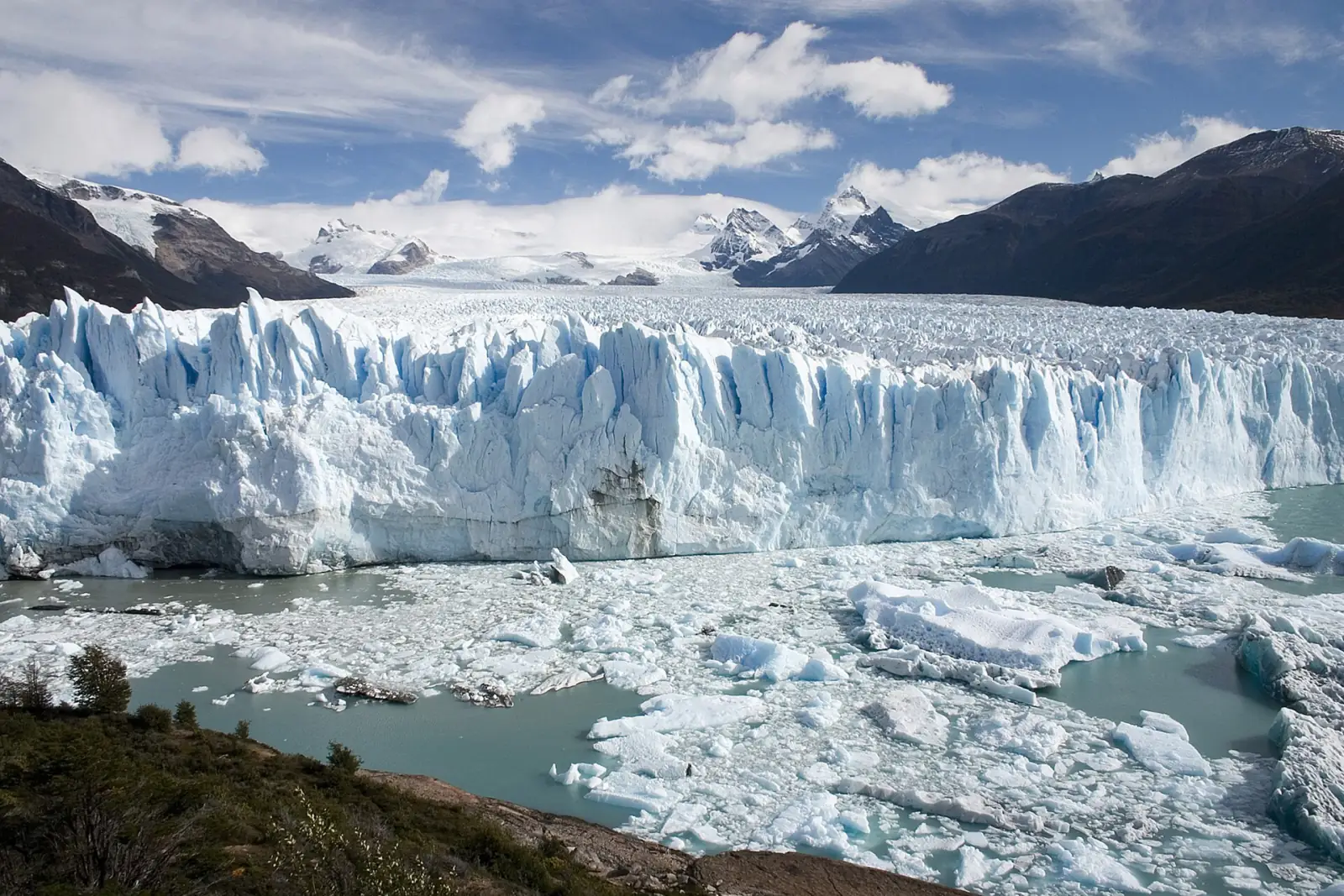
Highly varied: humid subtropical in the north, temperate humid pampas in the centre (Buenos Aires), and arid to cold temperate in Patagonia to the south; 11 Koppen climate types nationwide.
Buenos Aires and the central Pampas sit in the humid temperate zone (Koppen Cfa/Cfb) with an annual mean around 17.9 C and roughly 1,236 mm of rainfall spread through the year; the subtropical north is hot and wet while Patagonia is cold, arid and windy (5.9 C mean at Ushuaia).
Community & language
No verified data yet
English is spoken in many professional and expat-focused environments and Argentina ranks 26th globally on the 2025 EF English Proficiency Index, but most bureaucracy, healthcare and everyday interactions happen in Spanish, so Spanish is essentially required for long-term integration.
Spanish is the de facto official and national language, used in all laws and official documents; some provinces recognise regional languages such as Guarani (Corrientes) and Quechua (Santiago del Estero).
Taxes
Argentine tax residents are taxed on worldwide income, and Pensionado status does not create a blanket exemption; taxation of foreign-source pensions depends on individual circumstances and should be reviewed case by case with a tax professional.
Argentina has double-taxation treaties with many countries (including the UK, Germany, Spain, France, Italy, Netherlands, Canada, Australia and others), but Argentina does NOT appear on the IRS list of US income-tax-treaty partners, so there is no US-Argentina income tax treaty.
Moving & migration
To open a bank account in Argentina you typically need a DNI (Documento Nacional de Identidad), CUIL/CUIT tax number, proof of address, and passport. Major banks include Banco Santander Rio, BBVA Argentina, and Banco Galicia. Opening an account without a DNI can be difficult for non-residents. Some banks offer non-resident accounts with more limited features.
Argentina's public healthcare system is free for all, including foreign residents, and provides inpatient, outpatient and emergency care. However, most expats use private health insurance for faster access and better facilities. Register at a local public hospital or health centre with your DNI. Argentina has no reciprocal health agreement with the UK; comprehensive private insurance is strongly recommended.
Tourists can drive on a valid foreign licence with an International Driving Permit (IDP). Residents should obtain an Argentine driving licence via the local municipality (municipio) where they live. The National Road Safety Agency (ANSV) issues the Licencia Nacional de Conducir. You may be able to exchange a valid UK licence without taking a practical test, but requirements vary by province.
Personal effects and used household goods can generally be imported duty-free by those obtaining residency in Argentina, subject to customs declaration. You should obtain a detailed inventory list and consult the Argentine customs authority (Direccion General de Aduanas) or the Argentine Consulate before shipping. Professional moving companies with Argentina experience can guide the process.
Dogs and cats entering Argentina need a microchip, valid rabies vaccination, and a veterinary health certificate issued within 10 days of travel. Certification must be endorsed by the relevant authority in the country of origin. Check with SENASA (Argentine National Service for Agrifood Health and Quality) for current requirements, including any additional vaccines or parasite treatments. Argentina may require an import permit in advance.
Step 1: British nationals can enter Argentina visa-free for up to 90 days. Step 2: Apply for a temporary residence permit (residencia temporaria) such as the Rentista (passive income) or Pensionado (pensioner) category via the Argentine National Directorate of Migration (DNM). Step 3: Obtain your DNI (national identity card). Step 4: Temporary residence is typically valid for 1 year and renewable. Step 5: After 2-3 years of legal temporary residence, apply for permanent residency (residencia permanente). Argentina recognises dual citizenship.
Popular retirement spots
Where retirees in Argentina tend to settle, and the honest reason why. Each note shows its source.
Buenos Aires
Capital and largest city, known for European-style architecture and a rich cultural life of theater, opera and cinema.
Mendoza
Wine capital at the foot of the Andes (Malbec country) with an arid, sunny climate.
San Carlos de Bariloche
Patagonian city in the Andean foothills on Nahuel Huapi lake, a base for skiing, hiking and water sports.
Questions about retiring in Argentina
Answered from the verified data on this page. Every answer shows its source; anything we have not confirmed says so plainly rather than guessing.
- Does Argentina have a retirement visa?
Yes. Argentina offers the Rentista (passive-income) visa, also marketed as the Independent Means / Retirement visa; the parallel Pensionado route is used when the income is a pension..
globalcitizensolutions.com- How much monthly income do I need to retire in Argentina?
As a guide: Applicants must show stable monthly passive income of roughly USD 1,400 to USD 2,000, defined as at least five times the Argentine minimum wage (SMVM). Treat this as indicative and verify the current official figure before you rely on it.
globalcitizensolutions.com- Is healthcare good for expats in Argentina?
Healthcare quality is rated good. Public healthcare provides free inpatient, outpatient and emergency care and ranks highly for South America, but quality varies by location: private clinics in Buenos Aires are strong, while equipment outside Buenos Aires can be limited or outdated and public hospitals are often crowded. The system combines mandatory Obras Sociales insurance with optional private coverage. On cost: Even tourists and expats can access government-funded public care, but the guidance strongly recommends expatriates buy private or international health insurance for faster private-hospital access; private healthcare, while costlier than public, is described as more affordable than comparable care in North America or parts of Europe.
expatfinancial.com- How expensive is it to retire in Argentina?
Much lower than the US. A comfortable single-retiree budget is In Buenos Aires (Numbeo, updated 2 July 2026) a single person's estimated monthly costs are about USD 898 excluding rent, and a family of four about USD 3,193 excluding rent.
numbeo.com- Is Argentina safe?
Moderate. In the 2026 Global Peace Index Argentina ranked 72nd with a score of 1.922, a decrease of 20 positions from the previous year; it remains one of the more peaceful countries in Latin America.
en.wikipedia.org- What is the climate like in Argentina?
The climate is Highly varied: humid subtropical in the north, temperate humid pampas in the centre (Buenos Aires), and arid to cold temperate in Patagonia to the south; 11 Koppen climate types nationwide.. Buenos Aires and the central Pampas sit in the humid temperate zone (Koppen Cfa/Cfb) with an annual mean around 17.9 C and roughly 1,236 mm of rainfall spread through the year; the subtropical north is hot and wet while Patagonia is cold, arid and windy (5.9 C mean at Ushuaia).
en.wikipedia.org- Where do retirees live in Argentina?
Popular retirement spots include Buenos Aires, Mendoza and San Carlos de Bariloche.
en.wikipedia.org
Compare Argentina with its closest rivals
The three countries whose RetireScore sits nearest.